Choose the moment the portrait should preserve
A current photograph may show a new front door, an overgrown hedge or a porch that did not exist when the recipient lived there. Ask whether the gift should represent the house as it stands now or as it was during a particular period. Those are different briefs, and an illustrator should not have to infer the answer from a collection of photographs.
For a surprise gift, a family photograph can help establish how the house looked during the period you want to depict. If the old image is small, explain which features it establishes. You might want the current photograph used for the roof shape and the older one used only for the blue door. Labeling that distinction prevents accidental combinations.
Collect a view that describes the building
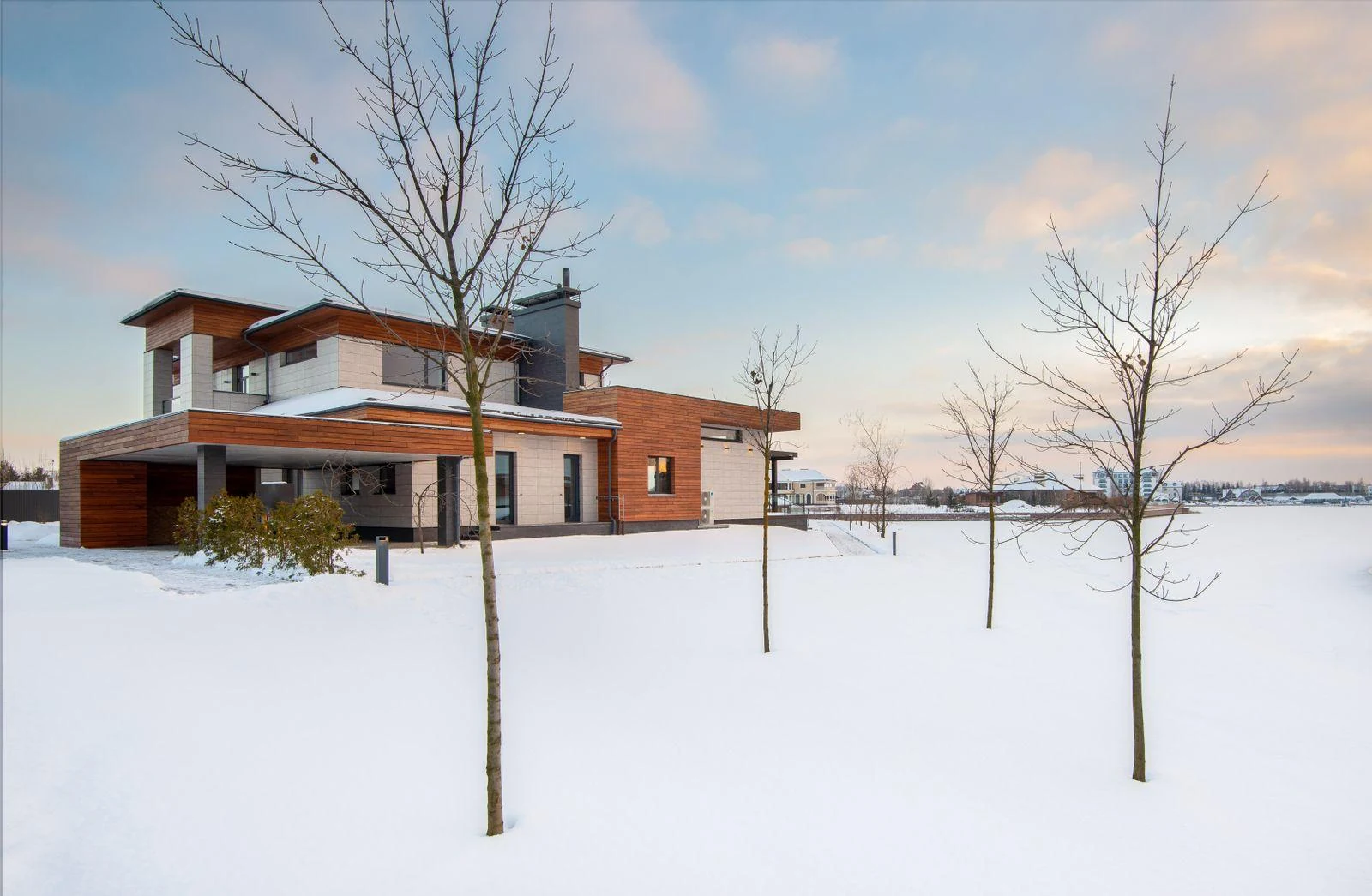
A photograph taken from across the street usually describes the front elevation better than a close view looking sharply upward. Include the roof, ground line and any side extension that should appear. Check that trees, parked cars and shadows do not hide the details that make the building recognizable.
Send additional views when the main photograph cannot show a porch railing or an unusual window. If you want a car, trash bin or neighboring building omitted, say so. Removing an obstruction may require the artist to interpret the architecture behind it; do not assume an unseen section can be reconstructed exactly.
Avoid sending only a screenshot from an online map. It may be low resolution, out of date or unsuitable for reuse. Your own photographs, or photographs you have permission to provide for the commission, give you a clearer starting point.
Agree on the style and the amount of detail
A loose watercolor impression, a spare line drawing and a detailed architectural illustration can all depict the same house, but they emphasize different things. Choose a portfolio example to communicate the kind of result you prefer. Ask what is included in the quoted format rather than requesting a mixture of several unrelated examples.
Specify whether the surroundings matter. A garden gate, a particular tree or a path can carry as much meaning as the facade. On a small print, however, every extra detail competes with the building. Let the artist explain what will remain legible at the intended size.
Decide what, if anything, belongs beneath it
A street number, family name or year can make the portrait personal. It can also introduce a spelling mistake or reveal an address the recipient does not want displayed. Consider whether the image alone is enough. If text is included, send one final typed version rather than different wording scattered across messages.
Dates need context. A year could refer to construction, purchase or the start of a family’s time in the house. A brief phrase can resolve that ambiguity, but a long dedication often works better in the accompanying card than underneath a small illustration.
Plan the finished object
Confirm whether the order is a digital file, an unframed print or a framed piece. For a digital order, establish the permitted print size, file format and whether you may arrange printing yourself. For a physical order, allow time for the proof, production, shipping and any separate framing.
A housewarming recipient may still be deciding how to furnish the room. A modest unframed print with clear dimensions can be easier to place than a large frame chosen without their input. Present the story of the house in the gift note and leave the final wall arrangement to them.