Look beyond the subject label
A picture of water is not automatically quiet. Breaking waves, sharp highlights, or a dramatic horizon can make it visually active. A city photograph may feel calmer if it contains soft light and broad empty areas. Notice how your eye moves through the actual image.
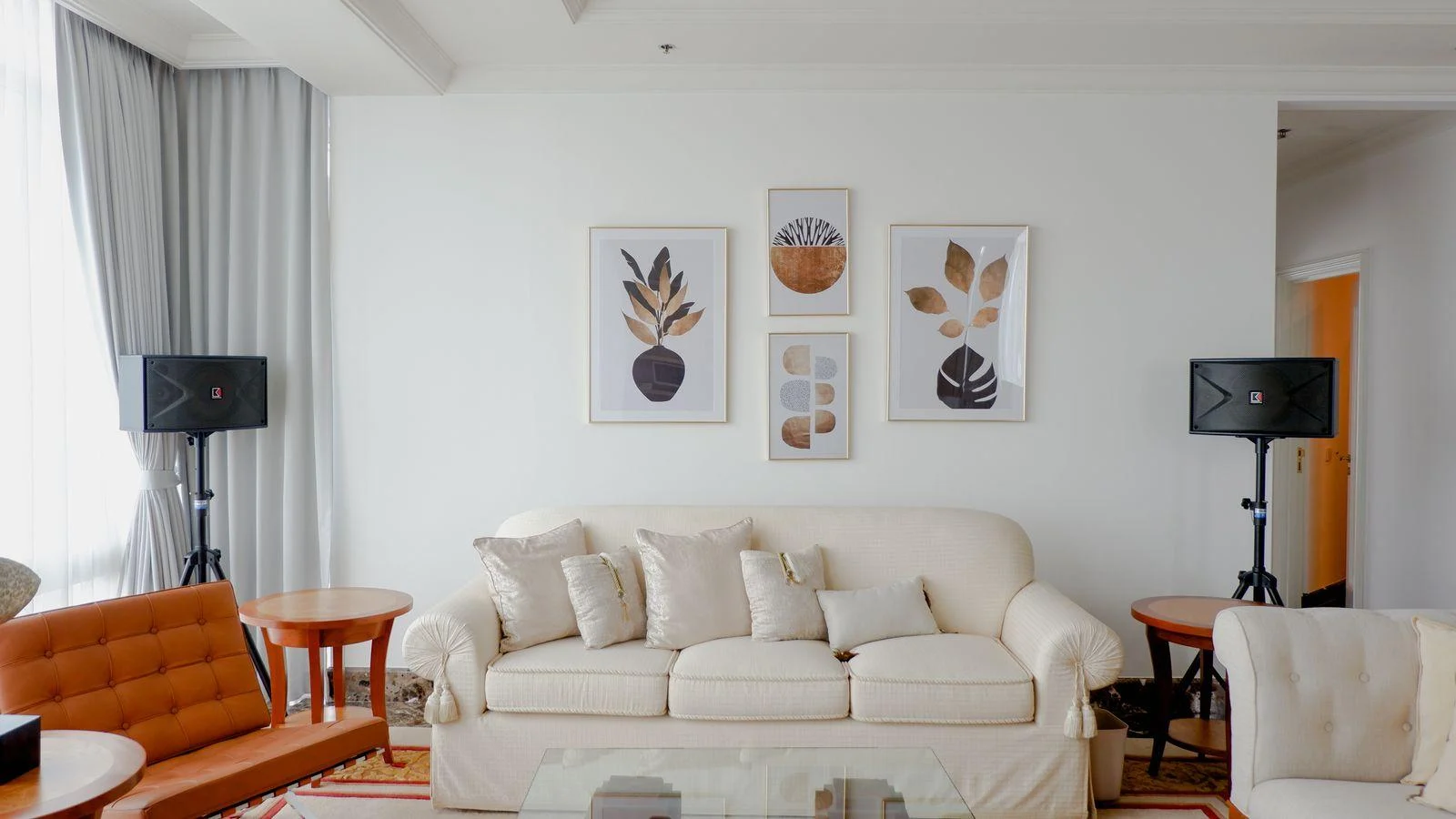
Compare a few candidates without the surrounding styled room photographs. Product staging can make an ordinary image seem more tranquil than it feels on its own. Return to the print after a day and see whether you still enjoy its details rather than merely recognizing its mood.
Test the view you will live with
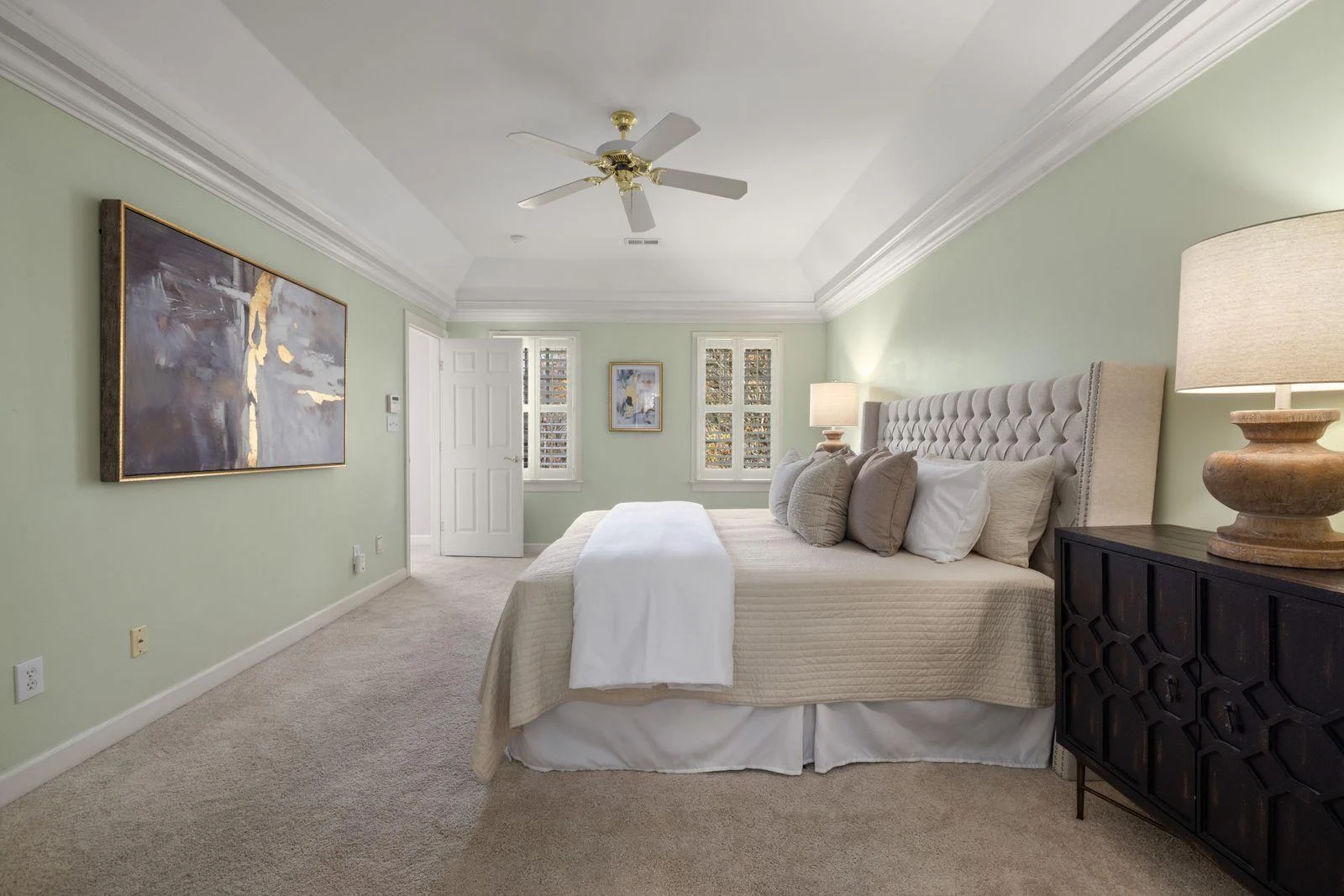
Art opposite the bed is part of the view when you wake and rest. Art above the headboard is usually seen from the doorway. These positions serve different purposes, so choose the image and scale with the intended view in mind.
Check evening light as well as daylight. A dark print may lose detail under a small bedside lamp; a glossy surface may reflect a bright point directly toward the bed. Moving the picture or changing the angle of a lamp can be more effective than choosing a different palette.
Keep the display comfortable
A single image can be enough. If several pictures compete with patterned bedding, curtains, and a busy headboard, reduce the grouping before deciding that the art itself is too energetic. Quiet wall space is part of the arrangement.
For placement above a bed, select a secure installation suitable for the wall, frame, and complete weight. Follow the mounting product's location restrictions; some adhesive products specifically exclude use over beds. If a dependable installation is uncertain, place the artwork on an adjacent wall where it can still be enjoyed from the room.