Choose a subject you want to examine
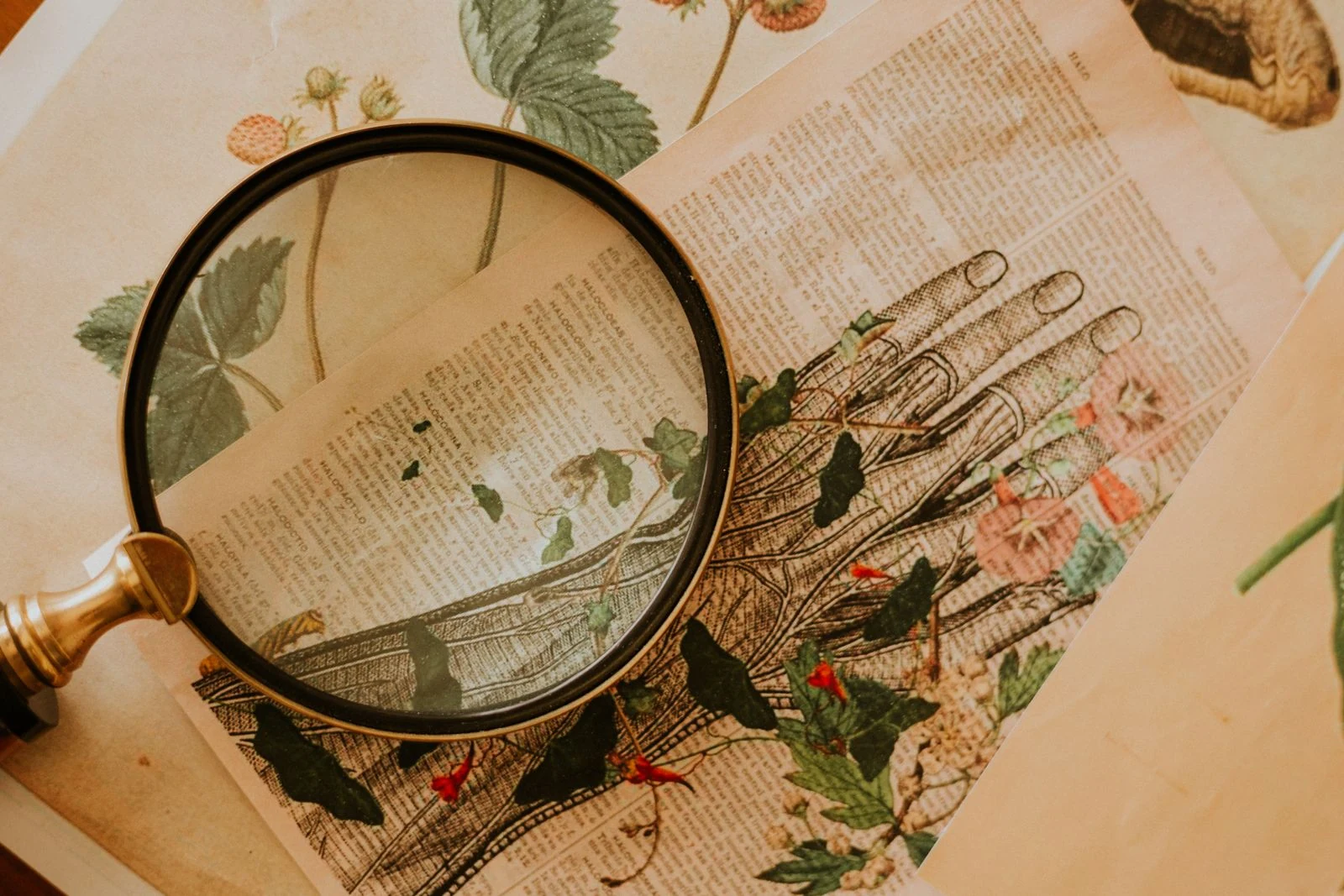
A botanical plate may show roots, flowers, seeds, and a whole plant together. An anatomical or zoological illustration may separate several structures on one page. Ask which details draw your attention and whether they will remain visible at the size you plan to display.
The Smithsonian's discussion of scientific books describes illustrations as tools for identification as well as visual works. That dual role suggests a useful home placement: somewhere you can move close and inspect the drawing. A print above a deep cabinet may look attractive but make its finer information inaccessible.
Keep the page's organization
A border, caption, plate number, or small inset may seem expendable in a cropped product photo, yet help explain the whole image. Compare the reproduction with the full source image when available. Decide whether you want the complete page or a clearly described detail rather than accepting an accidental crop.
Do not assume that every botanical-looking picture is a scientific illustration. Some are decorative inventions, and some historical labels may reflect older terminology. Choose according to your interest, but avoid treating a decorative print as a current identification guide without checking an appropriate scientific source.
Choose a readable reproduction
Fine linework and small lettering can suffer in a low-resolution file. Request a detail view or a proof that includes the labels. A paper texture that looks appealing in broad color areas may interfere with very small marks. Compare the surface with the actual image rather than choosing it only for its name.
If you obtain a digital file from a museum or library, review the item's rights statement and use the supplied high-resolution version where permitted. Keep the title, creator, date, and source information with your own records. Those details can enrich your understanding even if you do not place a formal label on the wall.
Use a frame that leaves room to look
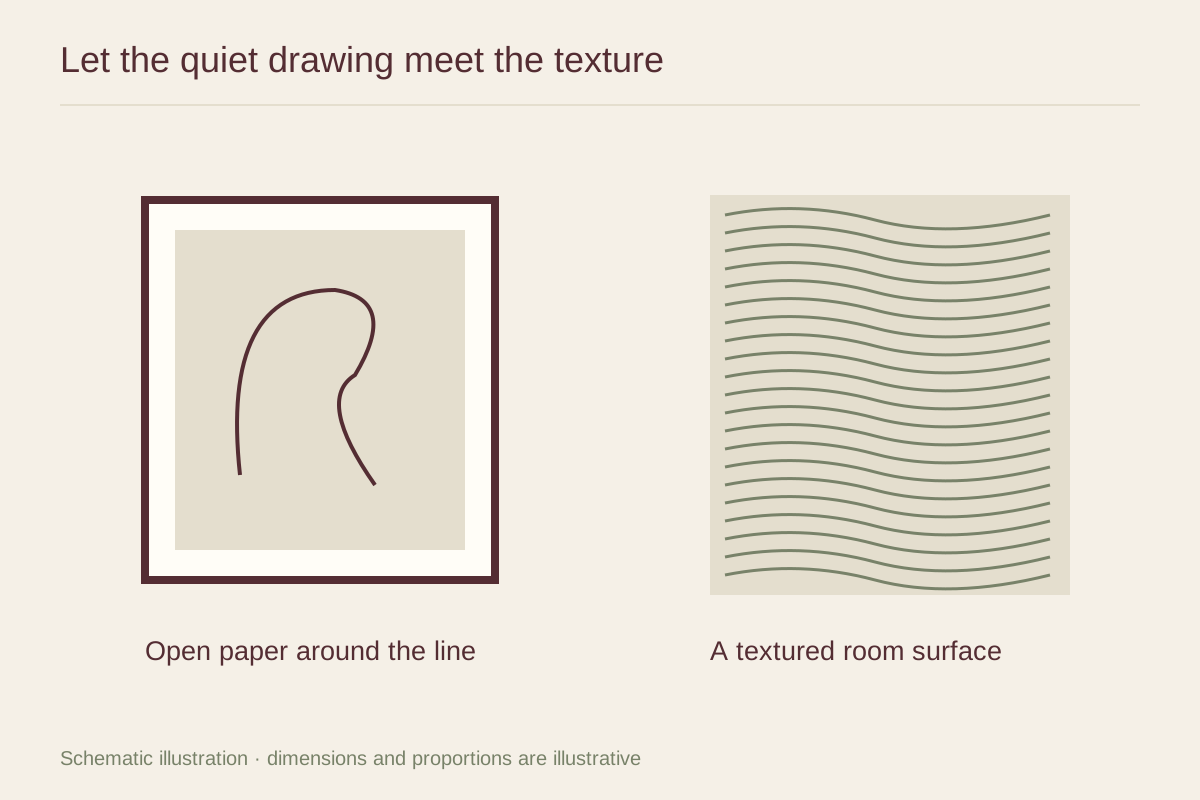
A simple mat can separate the page from the molding and preserve its proportions. Avoid cutting an opening that hides important text at the bottom. A warm or bright white should be tested against the actual paper tone; a large mismatch can make a clean reproduction appear unintentionally stained.
A small group can mix subjects while sharing a paper tone or frame finish. One botanical sheet beside a geological diagram may be more interesting than a perfectly matched set, provided both remain readable. Leave enough spacing that their labels and outlines do not merge into one continuous field of tiny marks.